
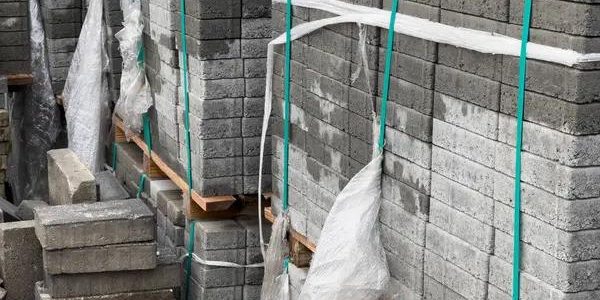
Commercial Pavement Work Designed for High Traffic Areas
Commercial pavement work designed for high traffic areas requires careful planning, selection of materials, and expert installation to ensure durability and safety. These pavements are subjected to constant wear from vehicles, pedestrians, and environmental factors, which makes their design critical to maintaining long-term performance. The primary goal is to create a surface that can withstand heavy loads while providing a smooth and safe experience for users.
One of the first considerations in commercial pavement projects is the choice of materials. Concrete and asphalt are the most common options due to their strength and versatility. Concrete offers excellent load-bearing capacity and resistance to deformation under repeated stress, making it suitable for areas with frequent truck or forklift traffic. Annapolis asphalt paving services provides flexibility that helps absorb impact forces better but may require more frequent maintenance in extremely busy zones. In some cases, specialized mixtures incorporating polymers or additives enhance resistance against cracking, rutting, or weather-related damage.
Annapolis paving company
The subgrade preparation beneath the pavement plays an equally important role in supporting high traffic volumes. Proper compaction of soil layers ensures stability by reducing settlement risks that could lead to uneven surfaces or potholes over time. Drainage systems must also be integrated effectively since standing water accelerates deterioration through freeze-thaw cycles or erosion beneath the pavement structure.
Design specifications often include increased thickness compared to standard pavements because heavier loads demand greater structural capacity. Engineers calculate expected traffic patterns including vehicle types, frequency, and weight distribution before finalizing dimensions. Reinforcement techniques such as steel mesh within concrete slabs add tensile strength where needed without significantly increasing costs.
Maintenance strategies complement initial construction efforts by extending service life while minimizing disruptions during repairs. Routine inspections identify early signs of distress like cracks or surface wear so timely interventions can prevent further damage escalation. Sealing cracks promptly reduces water infiltration that might weaken underlying layers.
Safety features incorporated into commercial pavements include textured finishes for slip resistance especially in pedestrian pathways adjacent to vehicle routes. Clear markings guide both drivers and walkers efficiently through complex environments like loading docks or parking lots where multiple activities occur simultaneously.
Ultimately, successful commercial pavement work tailored for high traffic areas balances robust engineering practices with practical material choices aimed at longevity under demanding conditions. This approach safeguards investments by reducing replacement frequency while supporting operational needs without compromising user safety or comfort throughout daily use cycles typical in commercial settings worldwide.
Solid Paving & Concrete
2901 Riva Trace Pkwy #103, Annapolis, MD 21401
301-500-0309